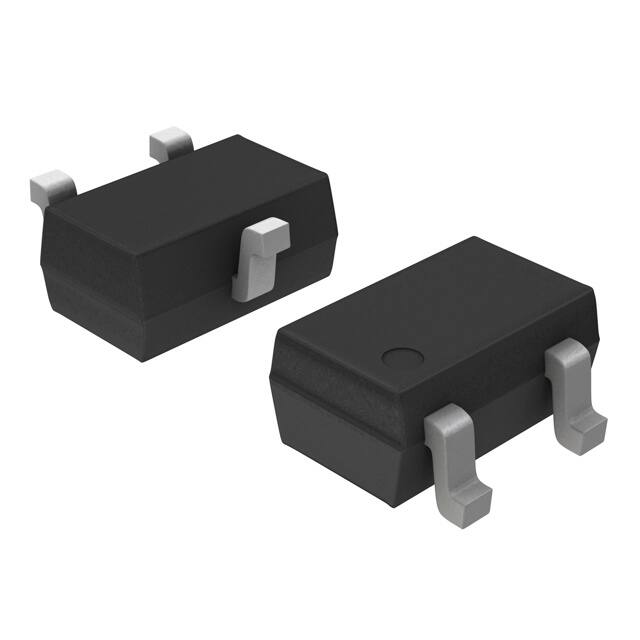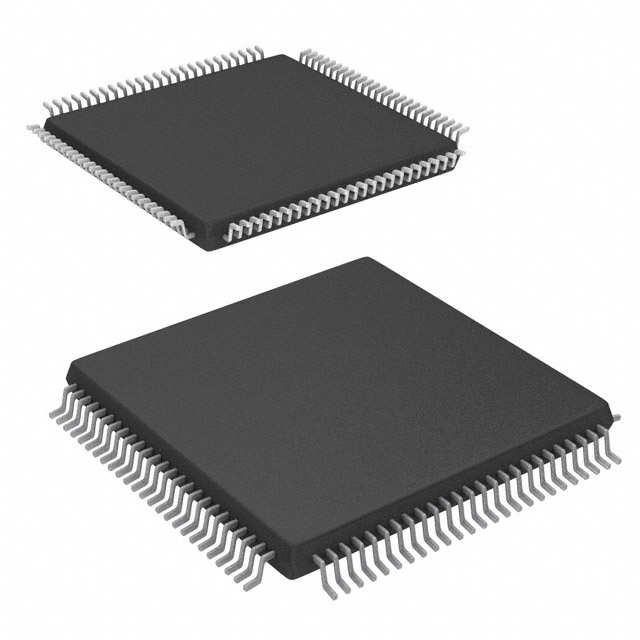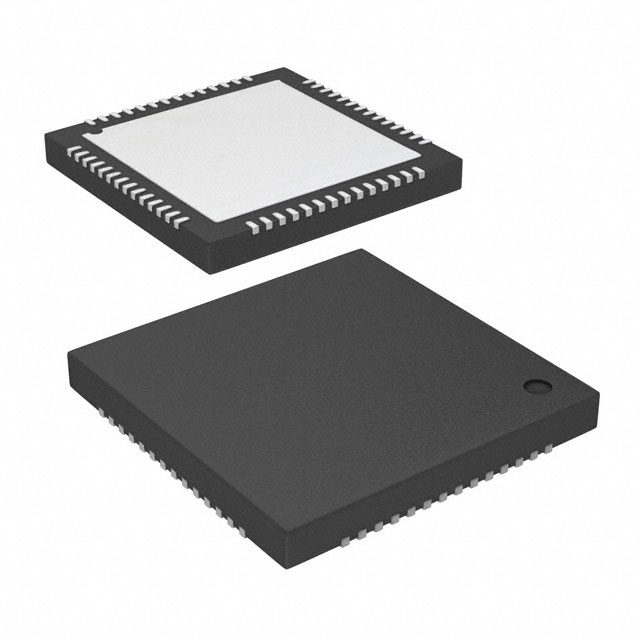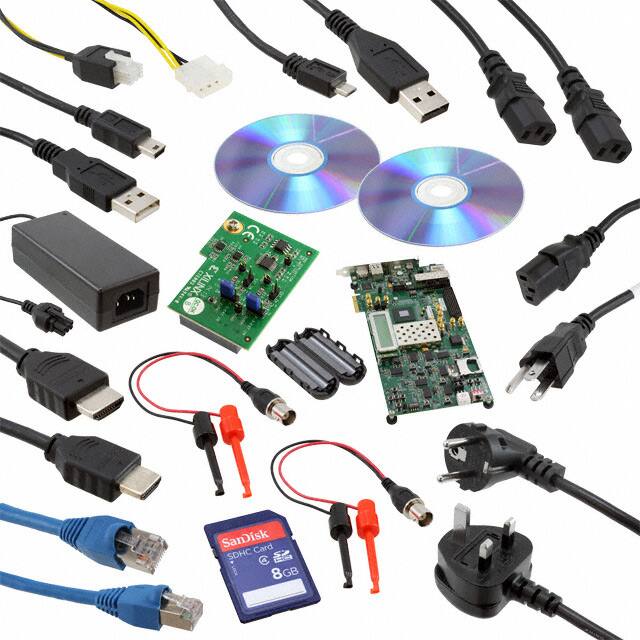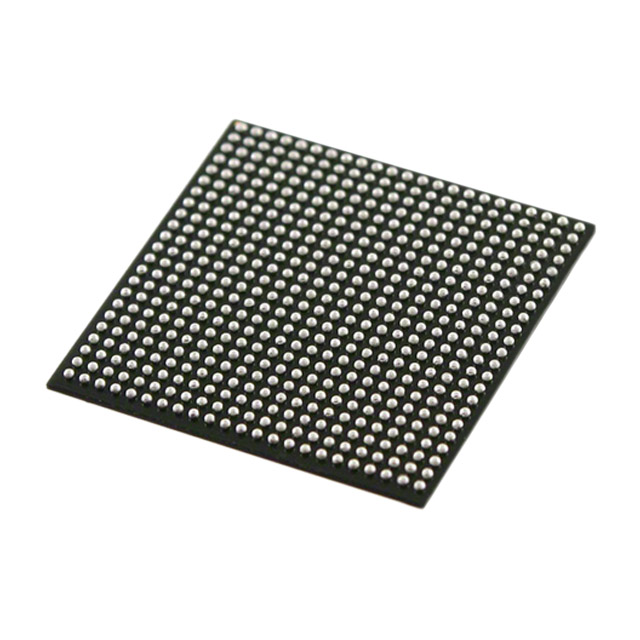
MCU stands for Microcontroller Unit. It is a type of integrated circuit that combines a microprocessor core with peripheral devices such as memory, input/output interfaces, timers, and communication interfaces, all on a single chip. The microprocessor core is usually a small, low-power CPU that can be programmed to execute a specific set of instructions. The peripheral devices are used to interact with the external environment and to control and manage other electronic components.
MCUs are used in a wide range of applications, such as embedded systems, consumer electronics, medical devices, and automotive systems. They are designed to be low-power, compact, and cost-effective, making them ideal for applications where space, power consumption, and cost are critical factors.
MCUs are programmed using a variety of programming languages, such as C, C++, and Assembly. The programming can be done using a variety of tools and environments, such as Integrated Development Environments (IDEs), compilers, and debuggers. Once programmed, the MCU can be integrated into a larger system or device to perform a specific task, such as controlling a motor, reading sensor data, or managing communication with other devices.
In this article, the most significant microcontroller interfaces, UART, SPI, I2C, ADC, DAC, PWM, USB, Ethernet, SD card, and CAN are briefly discussed.
UART (Universal Asynchronous Receiver-Transmitter)
UART, or Universal Asynchronous Receiver-Transmitter, is a popular interface used to connect devices in embedded systems. It is a simple, two-wire interface that allows for serial communication between devices. The UART interface can transmit and receive data in both directions, making it ideal for applications that require bidirectional communication. It operates in asynchronous mode, meaning that the transmitting and receiving devices do not have a common clock signal. Instead, the receiving device uses a start bit to synchronize with the transmitting device's data stream. The data is then transmitted one bit at a time, with a stop bit at the end of each data byte.
One of the key advantages of the UART interface is its simplicity. It requires only two wires for communication, making it easy to implement and use. Additionally, it can operate at a wide range of data transfer rates, allowing for flexible communication in various applications.
The UART interface does have some restrictions, though. Due to its slower operation than other interfaces like SPI and I2C, it is not appropriate for applications that demand high-speed data transfer. It is also less suited for applications involving numerous devices because it does not support multiple devices on the same bus.
SPI (Serial Peripheral Interface)
The Serial Peripheral Interface, or SPI, is a synchronous interface commonly used in embedded systems for communication between devices. It is a four-wire interface that allows for full-duplex communication between a master device and one or more peripheral devices. The SPI interface supports higher data transfer rates than the UART interface, making it suitable for applications that require high-speed data transfer.
The SPI interface works by using a clock signal to synchronize communication between the master and peripheral devices. The master device initiates communication by sending a clock signal to the peripheral device, along with the data to be transmitted. The peripheral device responds by sending data back to the master device during the clock cycle.
One of the key advantages of the SPI interface is its high data transfer rates. It can operate at speeds of up to 10 MHz or even more, making it suitable for applications that require high-speed data transfer. Additionally, it supports multiple slave devices on the same bus, allowing for communication with multiple devices. However, the SPI interface also has some limitations. It requires more wires than the UART interface, making it more complex to implement and use and it is not suitable for applications that require long-distance communication, as signal integrity can be an issue over longer distances.
I2C (Inter-integrated Circuit)
The Inter-Integrated Circuit, or I2C, the interface is a popular two-wire interface used in embedded systems for communication between devices. It is a simple, bidirectional interface that allows for communication between a master device and one or more slave devices. The I2C supports moderate data transfer rates and is ideal for applications that require communication with multiple devices.
The I2C interface works by using a clock signal and a data signal to synchronize communication between the master and slave devices. The master device initiates communication by sending a start signal to the slave device, followed by the address of the slave device and the data to be transmitted. The slave device responds by sending data back to the master device during the clock cycle.
One of the key advantages of the I2C interface is its simplicity. As a simple interface, the I2C is relatively easy to implement and is well-suited for use in embedded systems with limited resources, such as microcontrollers. The I2C only requires two wires for communication, which simplifies the hardware and reduces the number of pins required for interfacing with other devices. The I2C supports multiple devices on the same bus, which allows for efficient communication with a variety of peripherals. Each device on the bus is identified by a unique address, which enables the master device to communicate with specific slave devices as needed. Another advantage of the I2C interface is its versatility. It supports a variety of data transfer modes, including byte-level, block-level, and multi-master communication. The I2C also includes error detection and correction mechanisms to ensure reliable data transfer. However, the simplicity of the I2C interface can also be a disadvantage in certain applications. The limited data transfer rate of the I2C interface may be insufficient for applications that require high-speed data transfer, and the simplicity of the I2C may not be sufficient for more complex communication protocols or devices with more advanced features and functionality.
ADC (Analog to Digital Converter)
An essential component in many electrical systems, the analog-to-digital converter (ADC) transforms analog signals into digital signals that can be processed by a microcontroller. By measuring and quantizing the input signal's amplitude at a particular instant in time, an ADC may transform various analog signals, such as voltage and current, into digital signals.
The primary function of an ADC is to transform an analog signal into a digital format that can be processed by a digital system. Analog signals are continuous signals that vary over time and can take any value within a range. On the other hand, digital signals are discrete signals that take only specific values (usually binary values of 0 or 1). Therefore, an ADC's primary function is to enable a microcontroller to process analog signals in digital systems.
DAC (Digital to Analog Converter)
Digital-to-Analog Converter (DAC) is an electronic component that is widely used in various applications to convert digital signals into analog signals. Digital signals are represented by binary numbers, while analog signals are continuous and can take on a range of values. DACs are essential in digital audio applications, instrumentation, control systems, and various other industries.
DACs are widely used in audio applications, where they convert digital audio signals to analog signals that can be sent to speakers or headphones. This conversion process is necessary because most audio is stored and transmitted digitally, but speakers and headphones require analog signals to produce sound. DACs are also used in digital audio workstations, audio interfaces, and digital mixing consoles, among other audio equipment.
Microcontrollers frequently employ DACs to regulate the voltage or current flow to external devices including sensors, motors, and other electronic parts. For instance, the microcontroller in a temperature control system might employ a DAC to produce an analog output proportional to the required temperature. This analog signal can then be used to control a heater or a cooling system to maintain the desired temperature. In microcontrollers, DACs are typically integrated into the microcontroller chip and are designed to operate at low power levels, which is important for battery-powered devices. The resolution of the DACs in microcontrollers can vary, depending on the specific application requirements. Higher-resolution DACs provide more accurate control of external devices but also consume more power.
DACs are also used in instrumentation and control systems to convert digital signals from sensors or computers into analog signals that can be used to control devices. For example, a DAC can be used to control the position of a motor or the speed of a fan in response to digital signals from a computer or other device. DACs are also used in communication systems to convert digital signals into analog signals that can be transmitted over analog channels such as telephone lines.
PWM (Pulse-Width Modulation)
Pulse-Width Modulation (PWM) is a technique used in microcontrollers to control the speed of motors and other devices by varying the duty cycle of a digital signal. PWM is widely used in electronic devices to control the power supplied to motors, LEDs, and other components.
A digital signal called PWM is a signal made up of a string of pulses with different pulse widths. The duty cycle is the proportion of time the signal is high during a particular time frame, while the pulse width defines how long the signal is high or low. To control the amount of power provided to the gadget, the duty cycle is changed.
In PWM, the duty cycle is varied by changing the duration of the pulse width. The longer the pulse width, the higher the power supplied to the device. For example, in a motor control system, the duty cycle is varied to control the speed of the motor. A higher-duty cycle provides more power to the motor, which increases its speed, while a lower-duty cycle provides less power to the motor, which decreases its speed.
PWM is widely used in microcontrollers to control the speed of motors, LEDs, and other devices. In microcontrollers, PWM is generated by a digital output pin that switches on and off at a high frequency. The on-time of the output pin is controlled by a timer that is configured to vary the pulse width of the output pin.
USB (Universal Serial Bus)
USB is an important communication protocol used in Microcontroller Units (MCUs) to enable the transfer of data between the MCU and other devices, such as computers, smartphones, and other MCUs. MCUs often have built-in USB interfaces, making it easy to integrate USB functionality into embedded systems and other devices.
MCUs can use USB to communicate with other devices in several ways. For example, an MCU can be used in a USB flash drive, where it controls the data transfer between the flash memory and the host computer. The MCU is responsible for managing the USB protocol, handling data transfer requests from the host, and ensuring the integrity of the data transferred. In another example, an MCU can be used in a USB keyboard, where it translates key presses into USB data packets that can be sent to the host computer. The MCU is responsible for detecting key presses, encoding them into USB packets, and transmitting the packets to the host computer.
USB is also used in many other applications, such as USB storage devices, USB cameras, and USB printers, all of which can be controlled by MCUs. USB has become an essential communication protocol in the world of MCUs, enabling the transfer of data between devices and hosts, making it possible to build complex embedded systems and other devices that require high-speed communication and data transfer.
Ethernet
Ethernet is a widely used communication protocol that allows devices to be networked together for high-speed communication over long distances. It is a standard interface that has become the de-facto standard for networking computers and other devices, including Microcontroller Units (MCUs).
MCUs often use Ethernet to communicate with other devices in networking applications. For example, an MCU may be used in a networked sensor system that collects data from multiple sensors and transmits the data over Ethernet to a central server. The MCU is responsible for managing the Ethernet protocol, encoding the data collected by the sensors into Ethernet packets, and transmitting the packets over the Ethernet network. Ethernet is also used in other applications, such as Ethernet-based cameras, Ethernet-based printers, and Ethernet-based storage devices, all of which can be controlled by MCUs. Ethernet has become an essential communication protocol in the world of MCUs, enabling the transfer of data between devices over long distances and making it possible to build complex embedded systems and other devices that require high-speed communication and data transfer.
Secure Digital (SD) Card
Secure Digital (SD) cards are a popular storage solution that allows microcontroller units (MCUs) to read and write data to a removable memory card. SD cards are commonly used for storing large amounts of data such as music, photos, and videos, making them a valuable tool in a variety of applications.
SD cards are a popular option for portable electronics like digital cameras, smartphones, and portable music players since they are made to be compact, portable, and simple to use. In embedded systems, where they offer a practical and dependable way to store data including sensor readings, configuration settings, and log files, they are also commonly used.
MCUs with built-in SD card interfaces are becoming increasingly popular, as they provide an easy and efficient way to read and write data to an SD card. These interfaces typically support the SPI or SDIO protocols, which provide a high-speed, low-latency connection between the MCU and the SD card. Developers can quickly add storage capabilities to their designs without the need for additional hardware or difficult software by utilizing an MCU with a built-in SD card port. This facilitates the storing and retrieval of data from an SD card, which is crucial for applications like media playing, sensor monitoring, and data logging.
Controller Area Network (CAN)
For integrating multiple sensors and control systems, the Controller Area Network (CAN) serial communication interface is frequently used in automotive and industrial applications. It is a widely used communication protocol created to offer dependable and effective data transmission between various electronic devices, especially in situations where electromagnetic interference (EMI) and noise are frequent.
The CAN protocol is implemented using a controller area network (CAN) controller, which is a hardware module that is responsible for handling the low-level details of the communication protocol. Many MCUs have built-in CAN controllers, which make it easy to implement CAN communication in a design without the need for additional hardware.
By using an MCU with a built-in CAN controller, developers can easily connect multiple sensors and control systems to a single network, allowing for real-time communication between them. This is particularly important in applications such as automotive and industrial control systems, where real-time communication is critical for ensuring safe and efficient operation.
The integration of CAN communication into MCUs has also led to the development of new applications and products. For example, in the automotive industry, MCUs with built-in CAN controllers are used to implement advanced driver assistance systems (ADAS) such as collision avoidance and lane departure warning systems. In industrial applications, MCUs with CAN controllers are used to monitor and control various manufacturing processes, such as temperature control and machine operation.
 Paul George
Richard Electronics guest author, a Mechatronics engineer and a professional researcher, designer, developer and manufacturer for 3d Cad and PCB. I believe in efficiency, effectiveness and quality of work, and my aim is to provide complete one-roof solutions to complex mechanical and electrical design systems. I have a well-equipped lab with state-of-the-art technology for doing research and providing.


04 September 2026
05 August 2026
04 July 2026
06 June 2026
07 May 2026